
Dry Plaster
Dry plaster usually refers to gypsum-based plaster that is in its dry, powdered form and has not been mixed with water or other additives to form a workable plaster paste. This dry gypsum plaster is commonly used in construction and renovation for various purposes, including wall and ceiling finishes.
Here are some key points about dry plaster:
Composition :
Dry plaster is primarily composed of gypsum, which is a naturally occurring mineral. The gypsum is typically ground into a fine powder and then processed for commercial use.

Types of Dry Plaster
Plaster of Paris (POP) :
This is a type of gypsum plaster that is often used for artistic and decorative purposes. It is quick-setting and can be used for creating molds, sculptures, and ornamental designs.
Construction Plaster :
Dry plaster used in construction is designed for wall and ceiling applications. It is typically slower setting than Plaster of Paris, allowing for more extended working time.
Preparation :
To use dry plaster, it needs to be mixed with water to create a paste. The mixing process requires adding the appropriate amount of water to the dry plaster while stirring until it reaches the desired consistency.
Application :
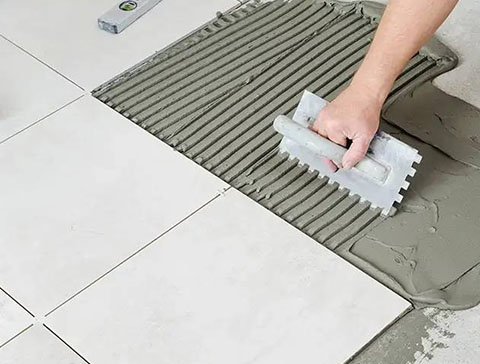
Once the dry plaster is mixed into a paste, it can be applied to various surfaces, such as walls and ceilings. It is used to create a smooth, even finish on these surfaces.
Setting Time :
The setting time of the plaster paste can vary depending on the specific type of dry plaster used and the environmental conditions. It typically involves a chemical reaction that causes the paste to harden.
Finishing :
After the plaster has set, it can be sanded and painted to achieve the desired appearance. In some cases, decorative techniques like texturing or molding can be applied.
Repair and Restoration :
Dry plaster is often used in the repair and restoration of older buildings, where it may be necessary to recreate traditional plaster finishes.
It's important to follow the manufacturer's instructions for mixing and applying dry plaster to ensure the best results. The choice of dry plaster type can vary based on the specific application and project requirements, so it's essential to select the appropriate plaster type for the intended use.

Copyright © 2023 Unicorn . All rights reserved Powered by: Keyword India Network Pvt. Ltd.