
Block Joint Mortar
Block joint mortar, also known as masonry mortar, is a specialized type of mortar used in the construction of masonry walls, including brick, concrete block, or stone walls. It is specifically designed to bond masonry units together and provide structural stability.
Here are some key aspects of block joint mortar:
- Composition
- Strength and Durability
- Adhesion
- Workability
- Water Resistance
- Color and Texture
- Curing Time
- Pointing

Composition :
Block joint mortar typically consists of a mixture of cement, sand, and water, along with sometimes additional additives or admixtures. The exact proportions of these components can vary depending on the specific requirements of the masonry project.
Strength and Durability :
Block joint mortar is formulated to provide adequate strength to hold the masonry units in place and maintain the structural integrity of the wall. The strength of the mortar can be customized based on the project's needs.
Adhesion :
It is important for block joint mortar to adhere well to the masonry units it is bonding. Adhesion properties ensure that the mortar forms a strong and lasting connection between the bricks or blocks.
Workability :
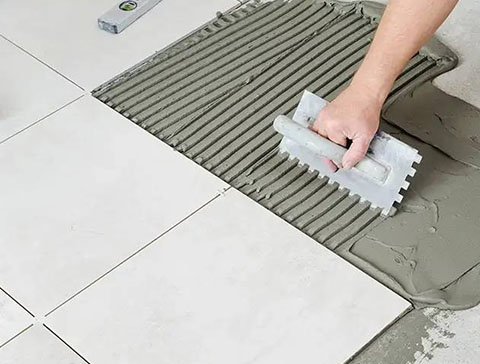
The mortar should have the right consistency and workability to allow for proper placement between the masonry units. It should be easy to spread and manipulate to ensure precise alignment.
Water Resistance :
In some cases, water-resistant block joint mortars are used, especially for projects that require moisture resistance, such as exterior walls or areas exposed to frequent moisture or rain.
Color and Texture :
Some block joint mortars can be tinted or come in various colors to match the aesthetic preferences of the project. Additionally, there are textured mortars available for specific architectural designs.
Curing Time :
Block joint mortar requires a curing period after application to reach its full strength. This curing process typically involves keeping the mortar moist to prevent it from drying out too quickly.
Pointing :
Once the block joint mortar is set, the process of "pointing" involves finishing the exposed mortar joints by tooling or shaping them to achieve a desired appearance and further seal the joints.
Block joint mortar plays a crucial role in ensuring the stability and longevity of masonry structures. The choice of mortar type and its proper application are essential factors in the construction process. The specific requirements for block joint mortar can vary based on factors like the type of masonry units, the environmental conditions, and the intended use of the masonry wall.

Copyright © 2023 Unicorn . All rights reserved Powered by: Keyword India Network Pvt. Ltd.